Canada Froze Citizenship by Descent Approvals. Here's What It Means If You Applied.
Canada Froze Citizenship by Descent Approvals. Here's What It Means If You Applied.
Published June 24, 2026 · Resources
If you applied for Canadian citizenship by descent under Bill C-3, or were planning to, the rules just changed underneath you.
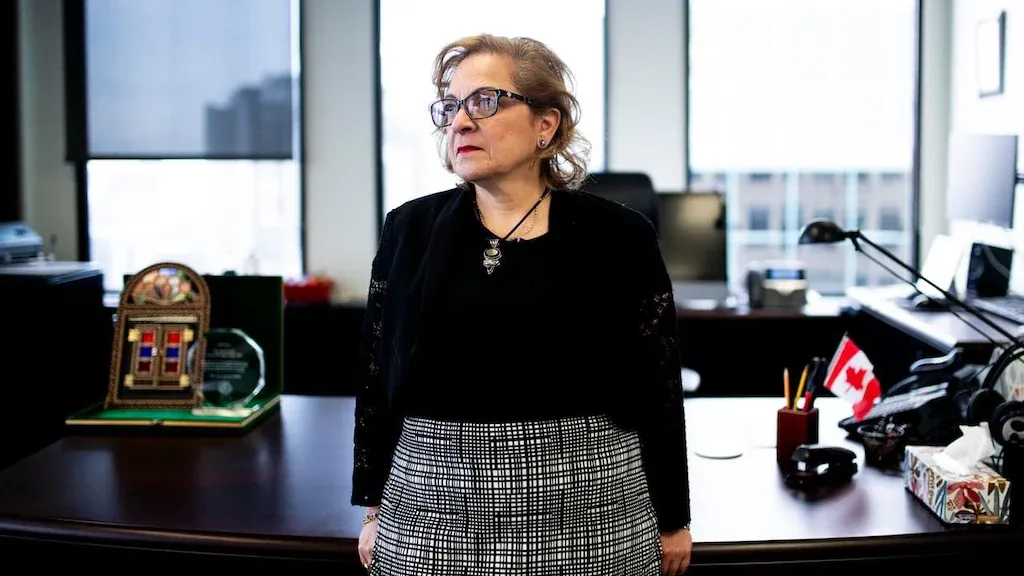
On June 23, Immigration Minister Lena Diab confirmed that Canada has paused all new citizenship by descent approvals and is reviewing the files of people who have already been granted citizenship.
This is not a minor procedural update. It is a full freeze on a program that has 82,000 applications in the queue, with processing times now stretching to 15 months.
Here is what you need to know.
What happened
On December 15, 2025, Bill C-3 expanded Canadian citizenship by descent beyond the first generation, allowing people born before that date to claim citizenship if they could prove direct lineage to a Canadian ancestor generation by generation.
More than 4,075 people, half of them born in the United States, received proof of citizenship certificates after Bill C-3 passed. Then, on June 13, the government sent surrender letters to those approved applicants, telling them their citizenship was "under review" even though it had already been granted.
All 4,100 successful citizenship claims made under the new law are now being reviewed by the department.
What triggered it? The minister won't say. When a journalist pressed Diab on whether the review was triggered by an error in the department's use of AI, advanced analytics tools, or by a mistake made by an individual officer, the minister did not answer.
Where things stand right now
The situation is moving quickly.
Just one week after some people were told to surrender their certificates, a few received letters over the weekend confirming their citizenship claims are valid once again. Importantly, these reconfirmation letters came without applicants submitting any additional evidence, suggesting the government reviewed files with documents already on hand.
For those still waiting: people who have already been granted citizenship continue to have their status and can work while the review is underway. However, people who received citizenship certificates have been notified that they cannot use Canadian passports while their citizenship claims are being reviewed.
What the new documentation standard means
This is where it gets practical.
The citizenship department quietly updated its online document guide for people claiming citizenship by descent. The bar is now higher. Documents proving your line of descent must now come from the original source authority. The strongest protection against a review is a file that proves an unbroken line of descent with records from the offices that issued them, rather than transcripts or copies sourced from genealogy websites.
Minister Diab was direct: "Each applicant must link their ancestry generation to generation through verified, authenticated documents. The genealogy records are certainly not sufficient whatsoever."
This contradicts how many people built their files. Immigration lawyers have pushed back, noting that government practices and the department's own document checklist, before it was updated, did not state that records from sites like Ancestry.ca could not be used as evidence. Government archives in Quebec and Ontario actively directed clients to partnered genealogy websites.
The rules changed after the approvals went out.
If you haven't applied yet
You are not at a disadvantage, but you need to build your file to the new standard, not the old one.
That means original records from issuing authorities at every generation in your line of descent. Where an original document cannot be located, a written explanation documenting the search effort should accompany the application.
A certified baptismal record can now be used in lieu of a birth certificate, but it must be certified. The previous guidance did not require certification.
Given that processing times are now 15 months and the program is under heightened scrutiny, a weak file will wait longer and face more questions than ever. Build it right the first time.
The bottom line
Canada's citizenship by descent program was launched without the infrastructure to handle what it created. The Parliamentary Budget Officer estimated that 115,000 people could ultimately qualify, but the minister told the immigration committee they didn't expect a surge.
The pause, the surrender letters, the updated guidance, the unexplained trigger: all of it signals a department that is correcting course in real time. That creates risk for anyone mid-process.
Know what documentation is now required. Know where your file stands. And if you are unsure, get a professional review before you submit.